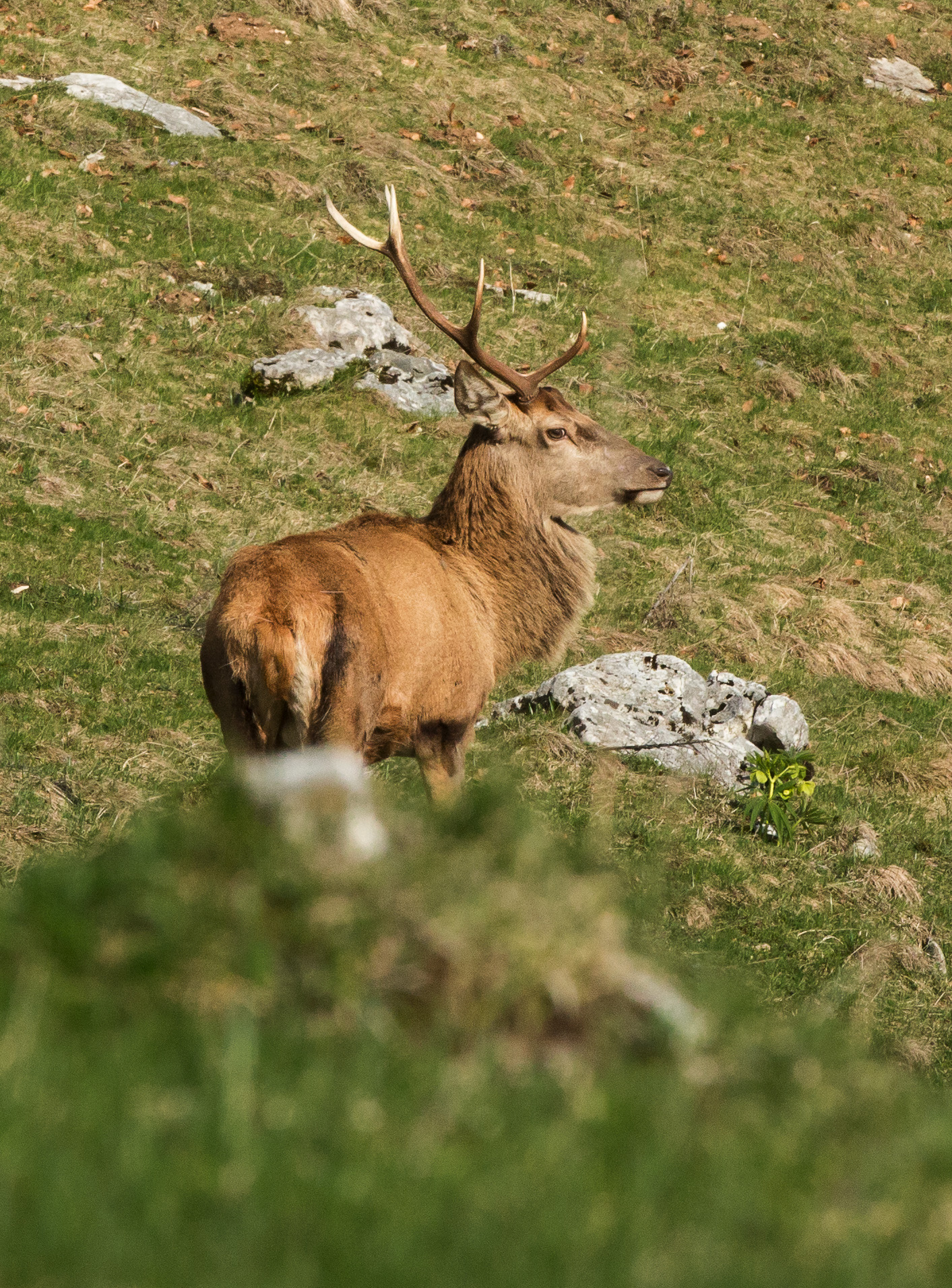
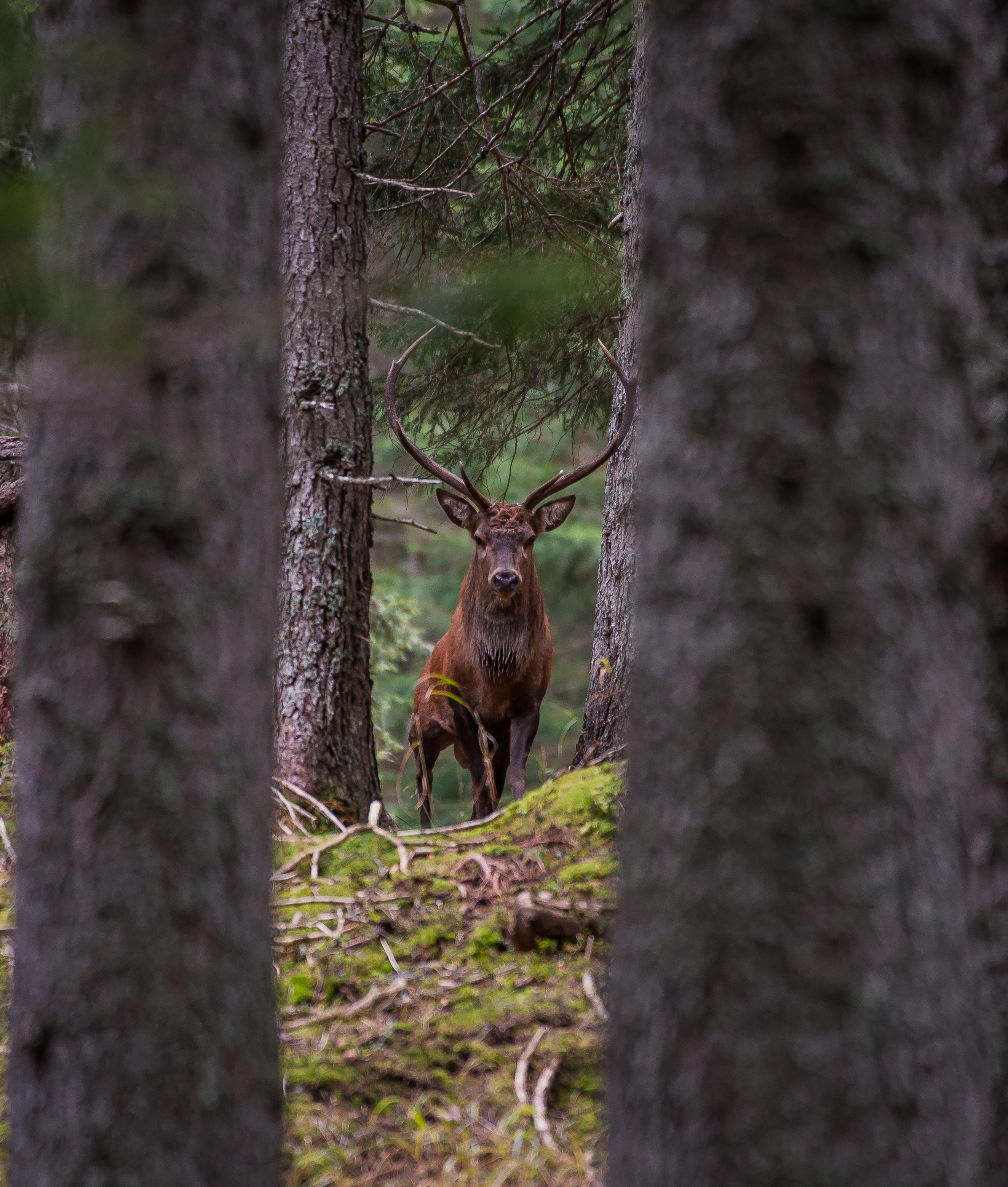
There are moments when the mountains seem to find a different voice. Summer gives way to autumn, the forests turn shades of gold and red, mornings feel crisp and, as the sun sets, silence settles over the valleys.
This is when a deep, powerful call can echo through the forests and clearings of Stelvio National Park. It is the roar of the red deer, one of the most fascinating natural spectacles of the Alpine autumn.
What is the red deer rut and when can you hear it?
The roar is the distinctive call made by male red deer during the mating season. It is used to attract females and, at the same time, to challenge rival males.
Around Bormio, this natural spectacle generally takes place between late September and mid-October, although its timing and intensity can vary depending on seasonal conditions.
The most atmospheric moments are often at dawn and dusk, when the forest grows quiet and the calls can carry over long distances.
Autumn in Stelvio National Park
Listening to the red deer rut is also a chance to discover a different side of the mountains.
The valleys around Bormio and the landscapes of Stelvio National Park become a vast natural stage: silent forests, golden larches, crisp mountain air and the first traces of snow appearing on the highest peaks.
You do not always need to see a deer to experience the moment. Sometimes the animal remains hidden among the trees while its call travels through the forest. More than a wildlife sighting, the rut is an experience to be heard.
Guided excursions: discover the rut with local experts
Every year, Stelvio National Park and the Bormio Alpine Guides organise dedicated excursions during the rutting season.
Joining a guided outing offers the chance to enjoy the experience safely while gaining a deeper understanding of what is happening in the forest. Local experts help visitors recognise calls, tracks and other signs of wildlife, revealing some of the delicate relationships that shape life in the Alpine environment.
The rules of the forest
The mating season is a particularly sensitive time for red deer and should always be approached with respect.
Keep noise to a minimum, maintain a safe distance from the animals and never try to approach them. Avoid pointing bright torches or other strong lights towards wildlife. Photos and videos should also be taken without disturbing or influencing the animals’ natural behaviour.
Observing wildlife means, above all, respecting nature’s own rhythm and never forcing an encounter.
Photo credits: Marco Libretti | Bogna Sudolska | Moreno Pellegrin