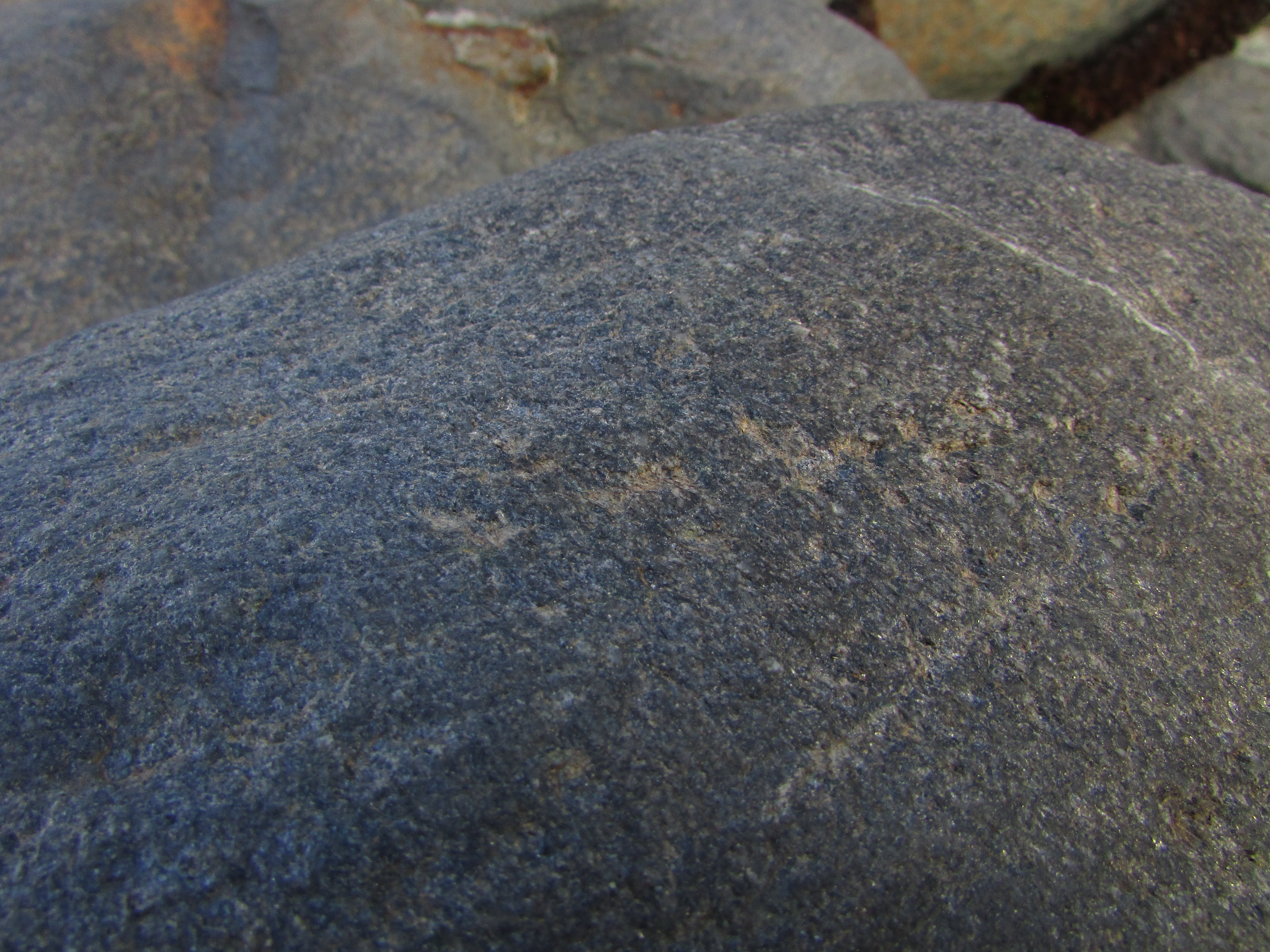
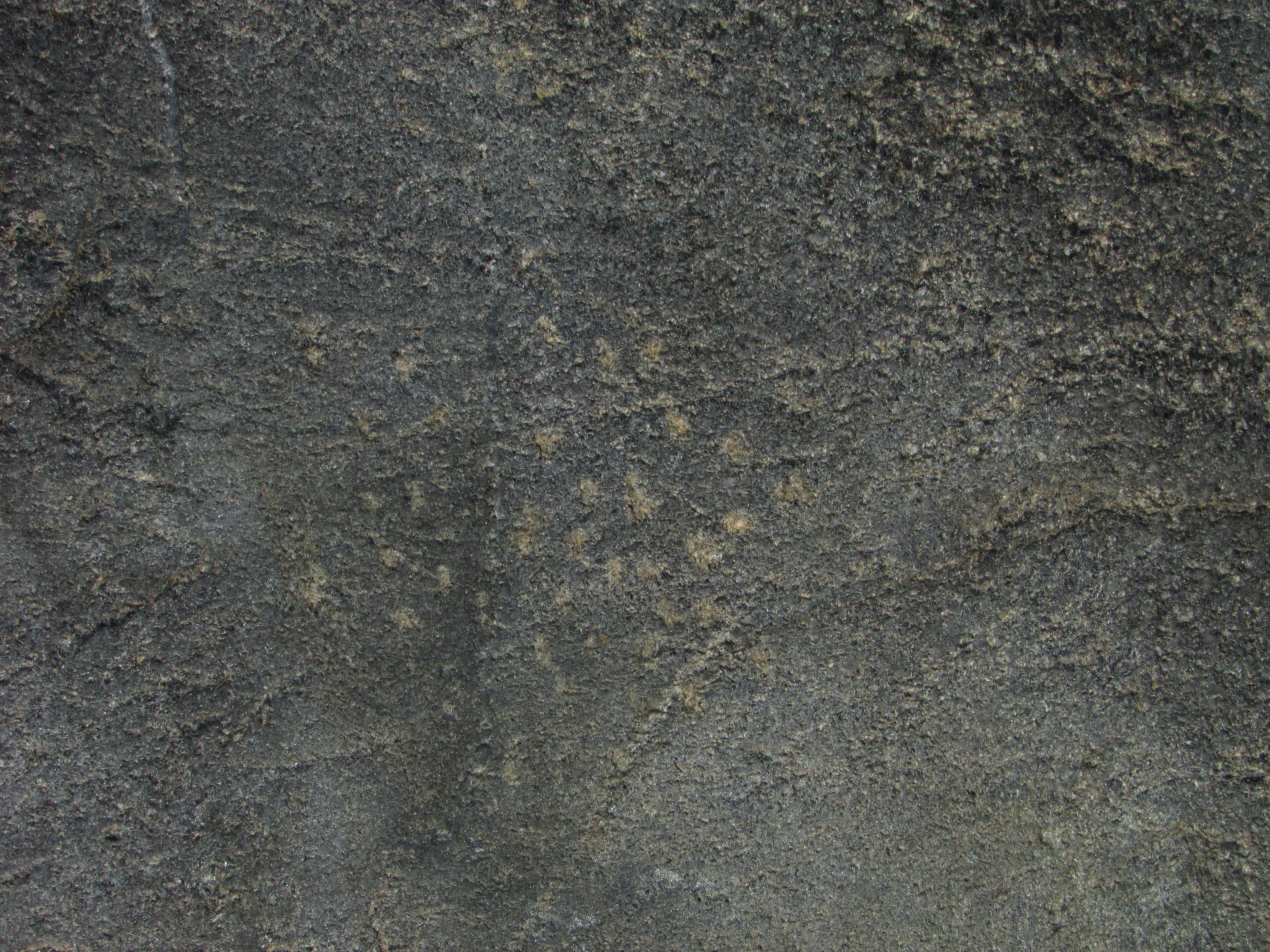
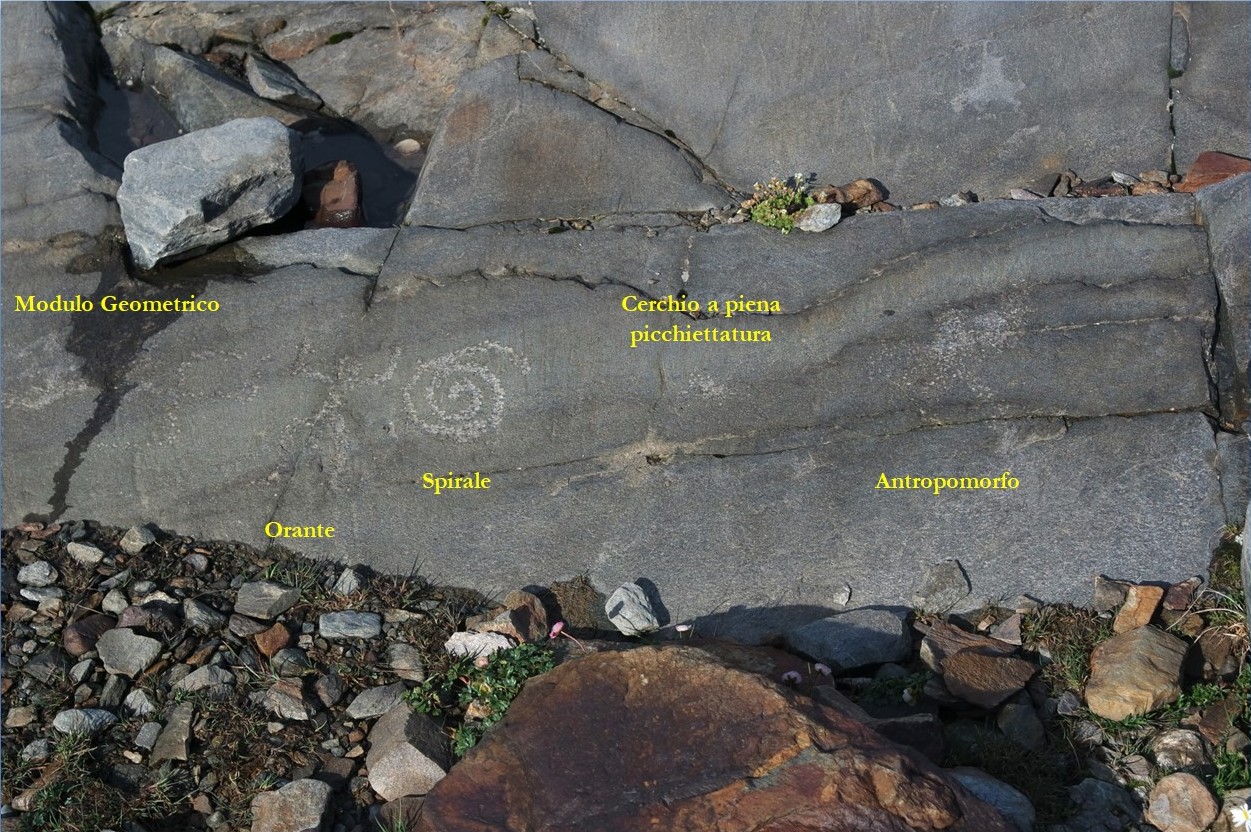
At almost 3,000 metres above sea level, at the foot of Mount Tresero, time seems to stand still. Here, where the glacier is slowly retreating and revealing new stretches of rock, the mountain continues to uncover traces of a remarkable past. On rock surfaces smoothed by the ice, a series of prehistoric carvings has re-emerged, dating back to between 1600 and 1200 BC, during the Middle Bronze Age. These are among the highest rock carvings in Europe and one of the most fascinating archaeological discoveries in the Alps.
Created by patiently pecking into glacier-shaped rocks, these figures reveal that the high mountains were visited far earlier than previously believed. Rather than being the result of occasional crossings, they point to places that likely held symbolic or ritual significance, or were linked to the control of the surrounding territory. Even thousands of years ago, this harsh alpine environment clearly held a powerful attraction for human communities.
The carvings were discovered by chance in 2017 along the trail leading to Punta Segnale, opening a new chapter in the history of the Gavia Valley and Stelvio National Park. The discovery confirms the area as one of the Alps' most important open-air laboratories for understanding the relationship between humans and high-altitude environments.
Between Glaciers and Sky: Following the Footsteps of Prehistory
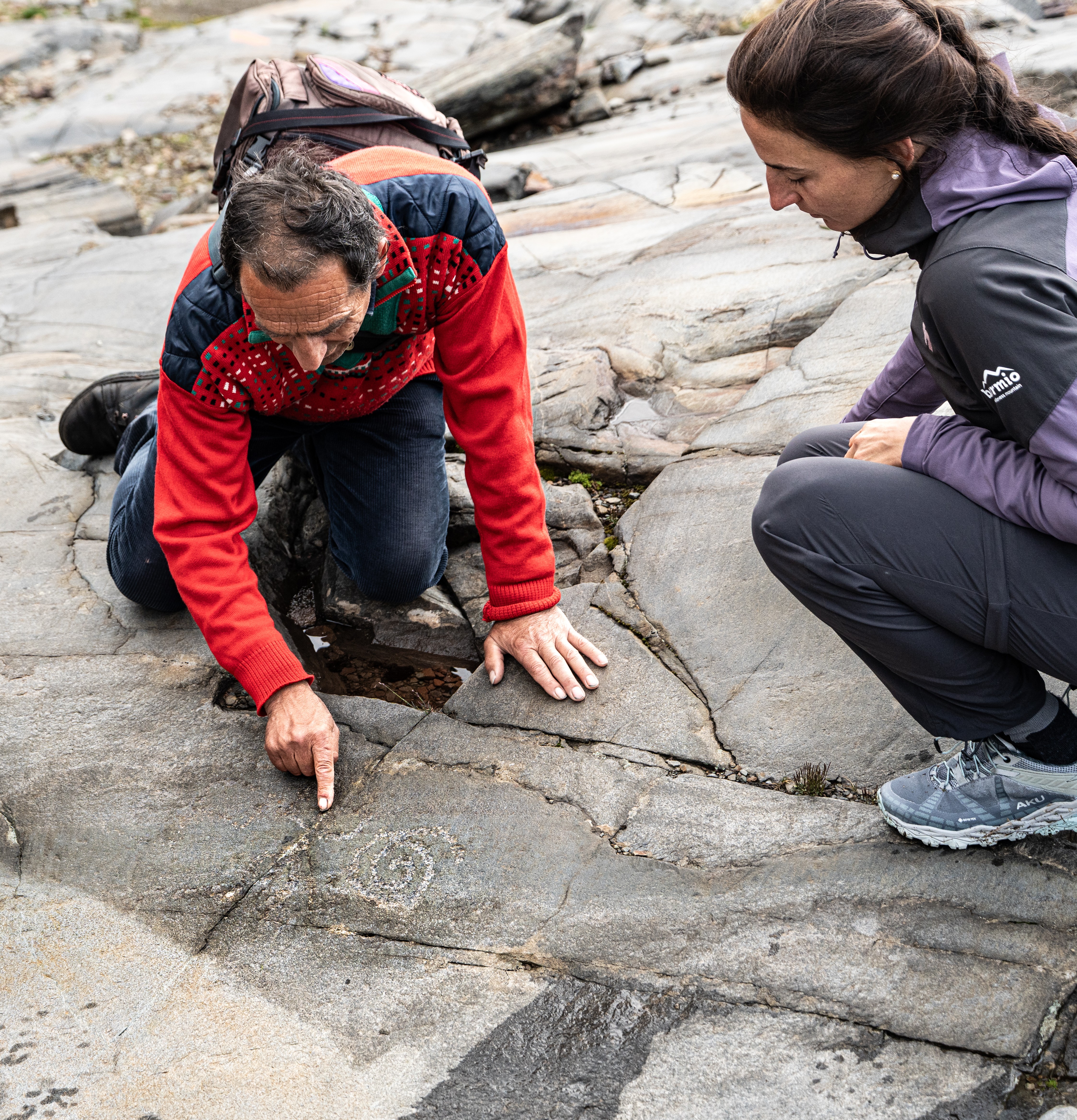
The carvings are located in an area that remained hidden beneath the glacier until only a few decades ago. As the ice gradually retreated, it brought them back to light after thousands of years of preservation. At the same time, the glacier left visible marks of erosion, partially wearing away some of the engravings. Archaeologists have identified thirteen figures carved into different rock surfaces, probably part of a much larger composition. Each carving represents a small piece of a story that is still only partly understood.
The Worshipper: A Figure Reaching Towards the Sky
This is probably the most iconic image at the site. The "Worshipper" depicts a stylised human figure with raised arms, a posture frequently found in Alpine rock art and generally associated with prayer, invocation or celebration. Despite its simple lines, the figure carries remarkable expressive power. Its essential form gives it a timeless quality, conveying the deep connection between humans, mountains and spirituality.
The Spiral: A Symbol of Time and Life
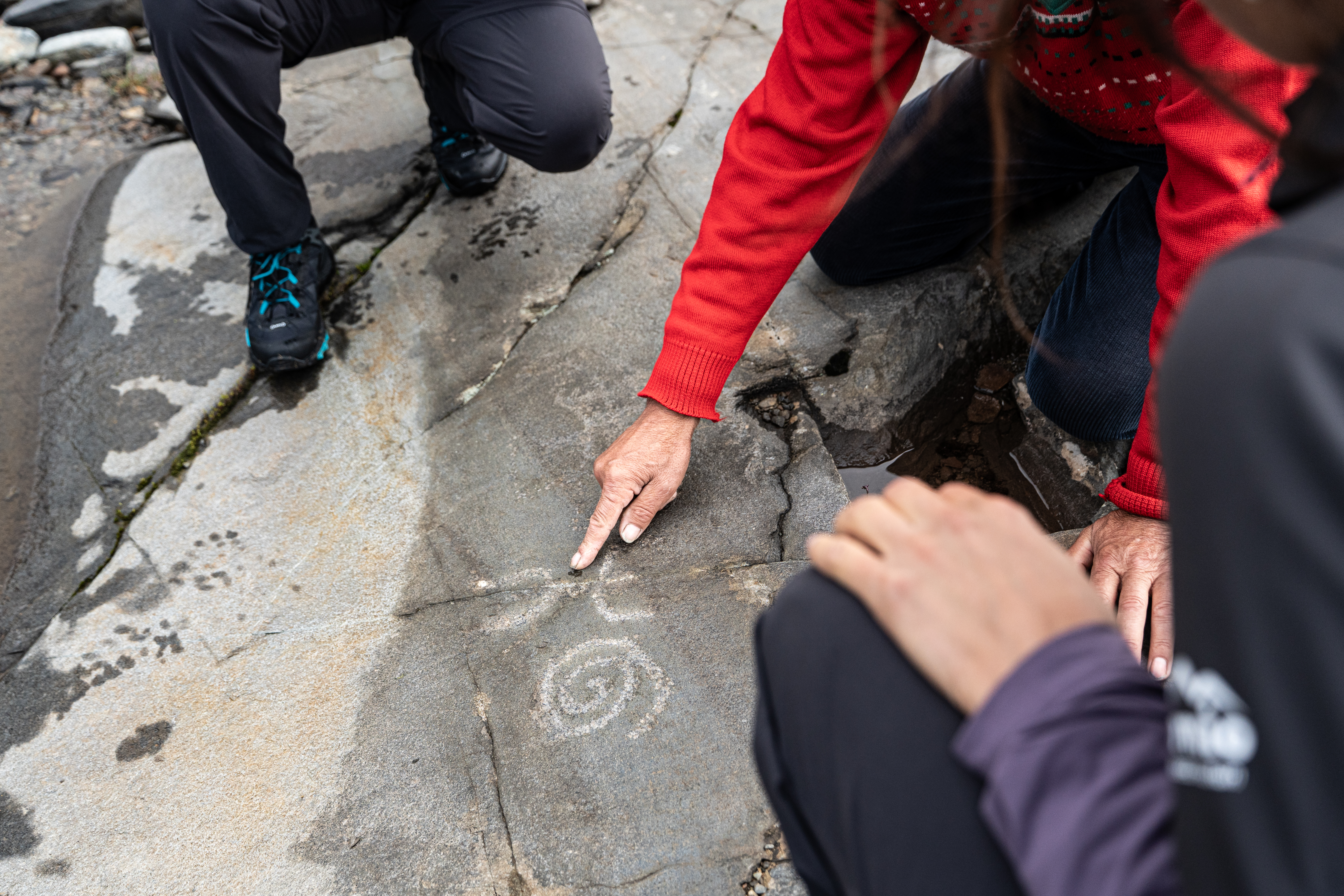
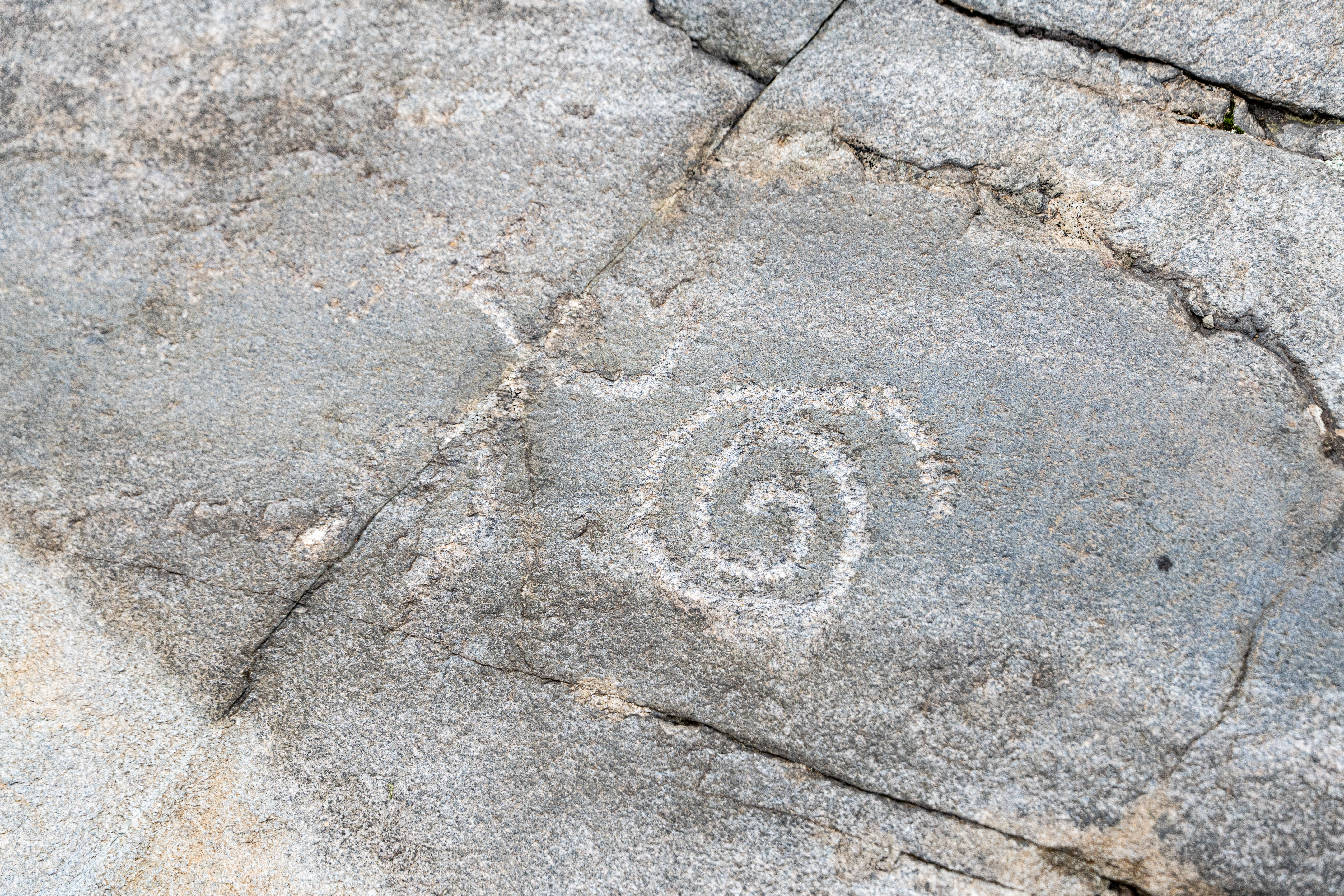
Next to the Worshipper lies a large spiral, one of the site's best-preserved carvings. The spiral is one of the most widespread symbols in European prehistory. Although its meaning remains open to interpretation, it is often associated with the cycle of life, the passage of time, the movement of the sun or the regeneration of nature. The proximity of the two figures is unlikely to be accidental: together they seem to express a shared symbolic language, carved into the rock more than three thousand years ago.
The Sheep: A Connection to the Mountains
Among the most remarkable figures is the outline of an animal, interpreted as a sheep. This carving highlights the importance of livestock in the lives of Bronze Age Alpine communities, not only as an economic resource but also as a cultural and symbolic element. It is this figure that has helped researchers better understand the glacier's different phases of advance and retreat. Some glacial striations cut across the carving, while others are interrupted by it, providing valuable clues to the chronology of the site.
Cup Marks: Small Signs, Great Meaning
The site also features numerous cup marks—small hemispherical depressions carved into the rock. Found across many European archaeological sites, their meaning is still debated. They may have been connected to rituals, offerings, astronomical observations or simply territorial markers. Even here, high in the mountains, these small carvings suggest that the site held special significance for prehistoric communities.
Fading Carvings: The Passage of Time
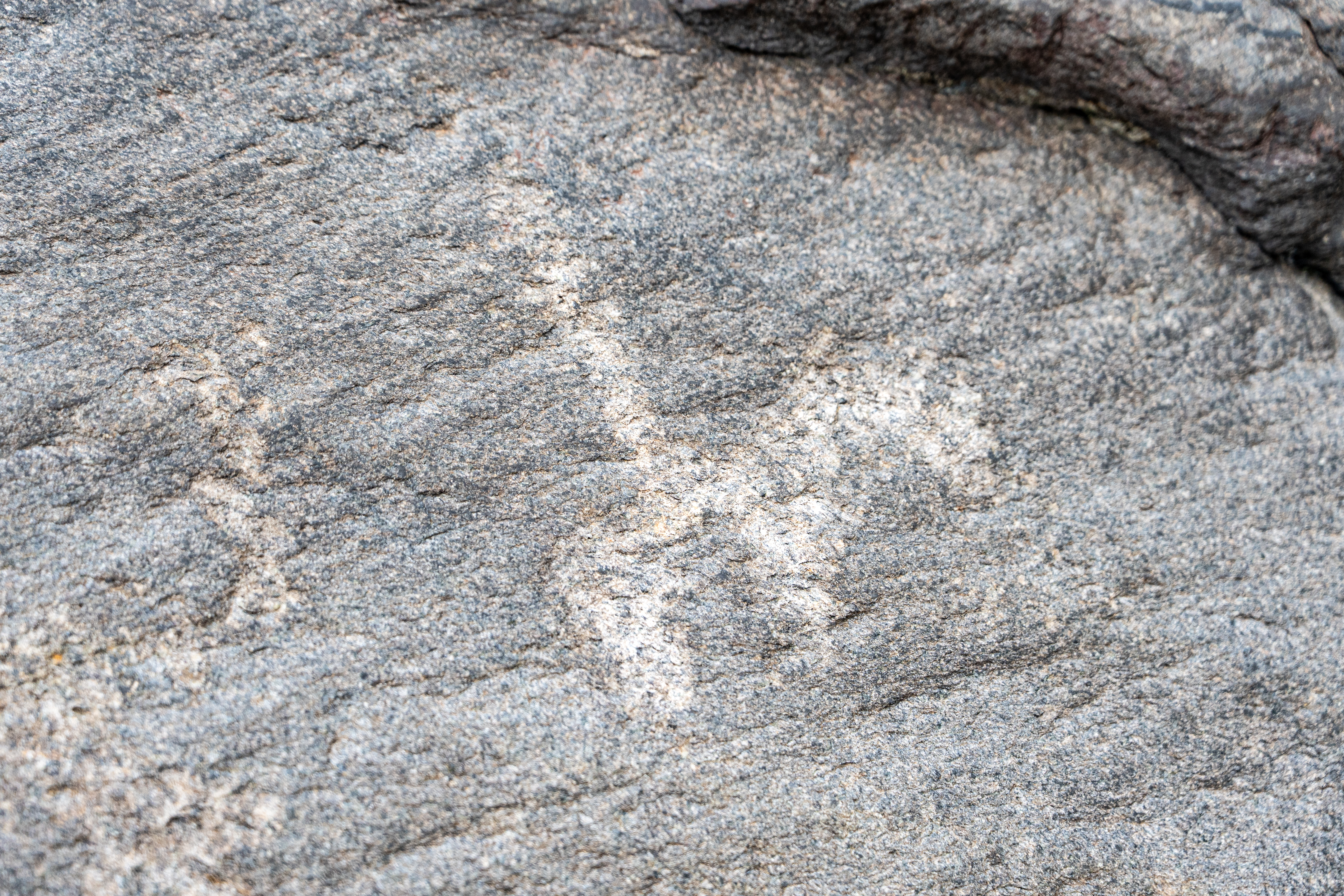
Not all the figures are immediately recognisable. Some survive only as faint traces on the rock surface, worn away by glaciers, frost and weather over the centuries. Researchers believe that the original complex may have been far more extensive, with many carvings lost over time. This very fragility makes the surviving engravings all the more precious, offering a unique window into the human presence in the high mountains thousands of years ago.
A Journey into the Prehistory of Stelvio National Park
The Tresero rock carvings tell a story that extends far beyond this single discovery. Together with other archaeological evidence found in the Upper Gavia Valley, they confirm that these mountains were already visited around 10,000 years ago by Mesolithic hunter-gatherers and later by Bronze Age communities.
Walking today along the trail towards Punta Segnale means crossing one of the most spectacular landscapes in Stelvio National Park, while also following in the footsteps of the people who climbed these mountains thousands of years ago to carve symbols into the stone—symbols that have endured through time, glaciers and the ever-changing mountain landscape.