The Cammino mariano delle Alpi is divided into two routes: the Western Route, from Piantedo to Tirano, with a total length of 91 km, and the Eastern Route from Bormio to Tirano, which is 72 km long.
Bormio, in the heart of Alta Valtellina, is the starting point of the Cammino mariano Delle Alpi Orientali (Eastern Route of the Marian Way of the Alps), a route steeped in culture, breathtaking landscapes and artistic treasures that leads from Bormio to Tirano.
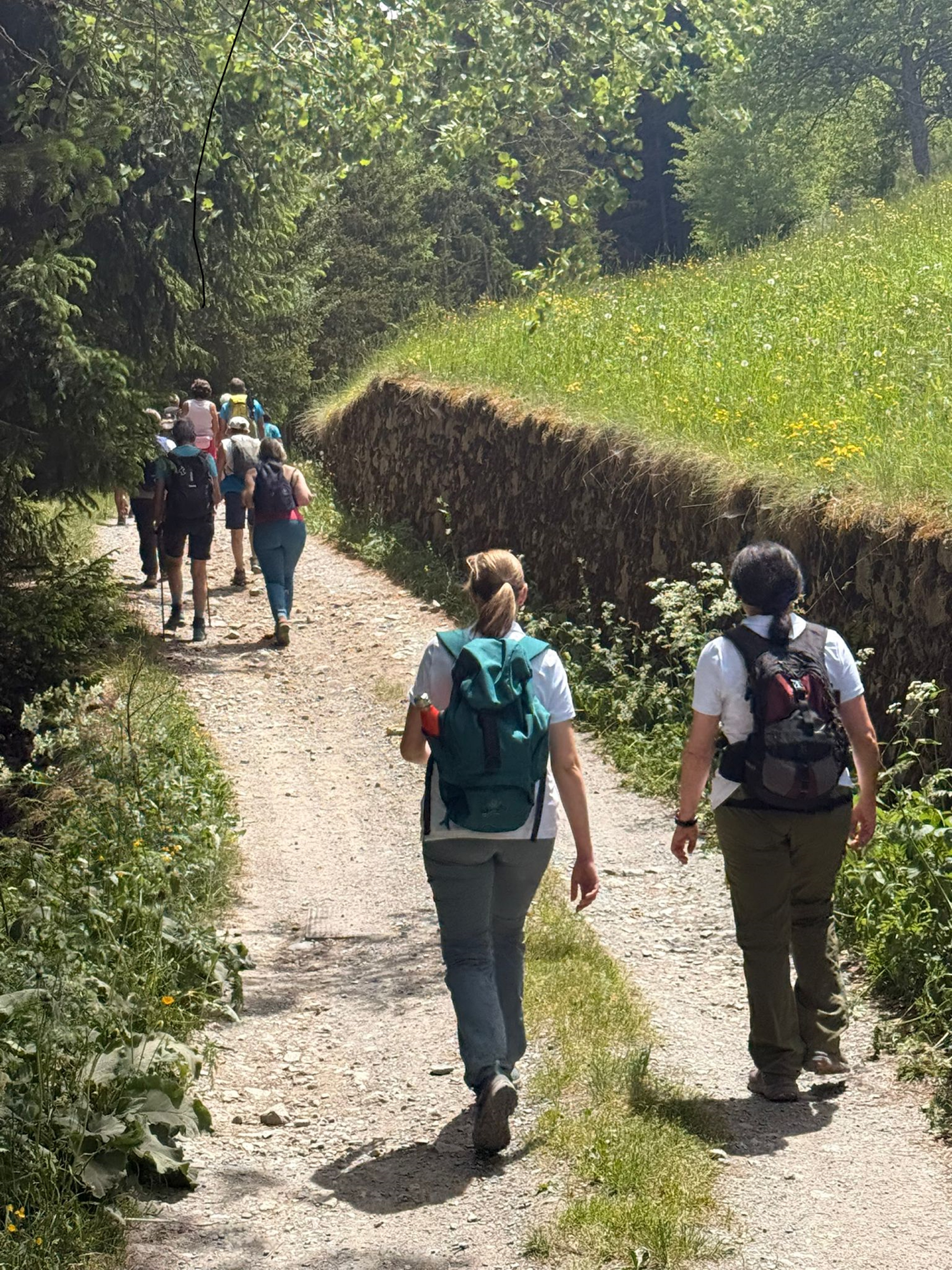
The Eastern Route consists of three stages: Bormio–Cepina, Cepina–Grosotto, Grosotto–Tirano; the route is easy to follow thanks to the distinctive blue arrows and signs positioned along the paths and roads.
The route
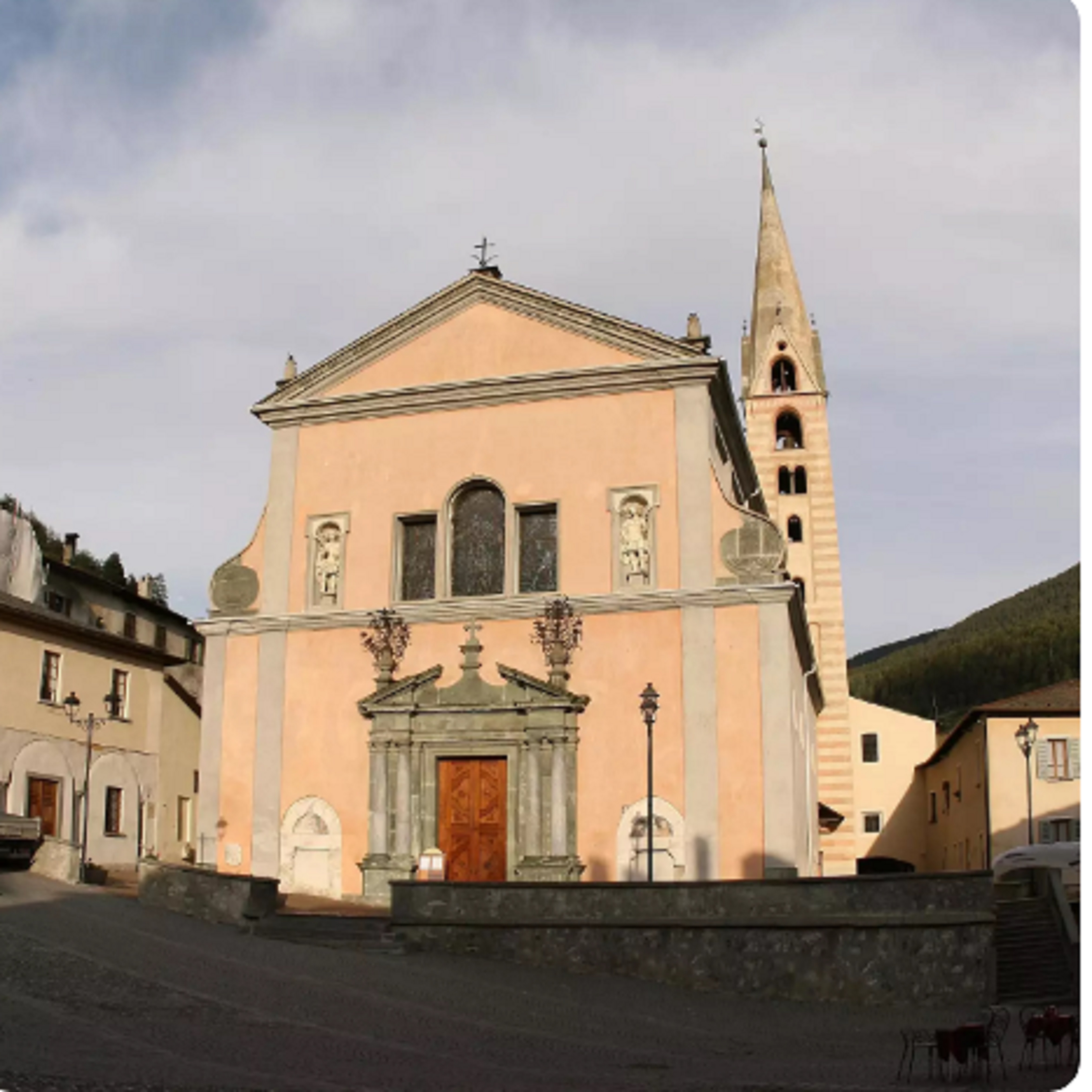
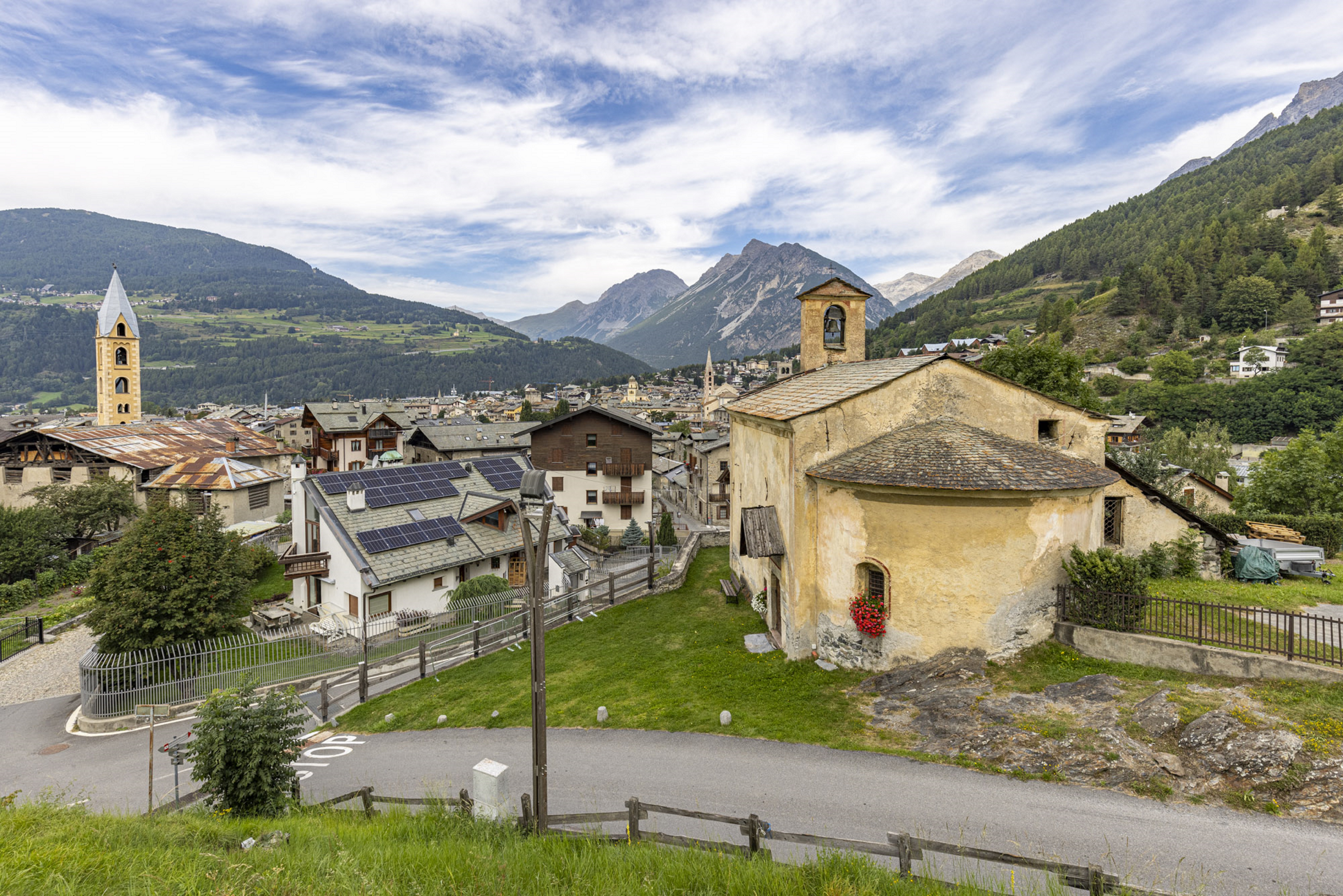
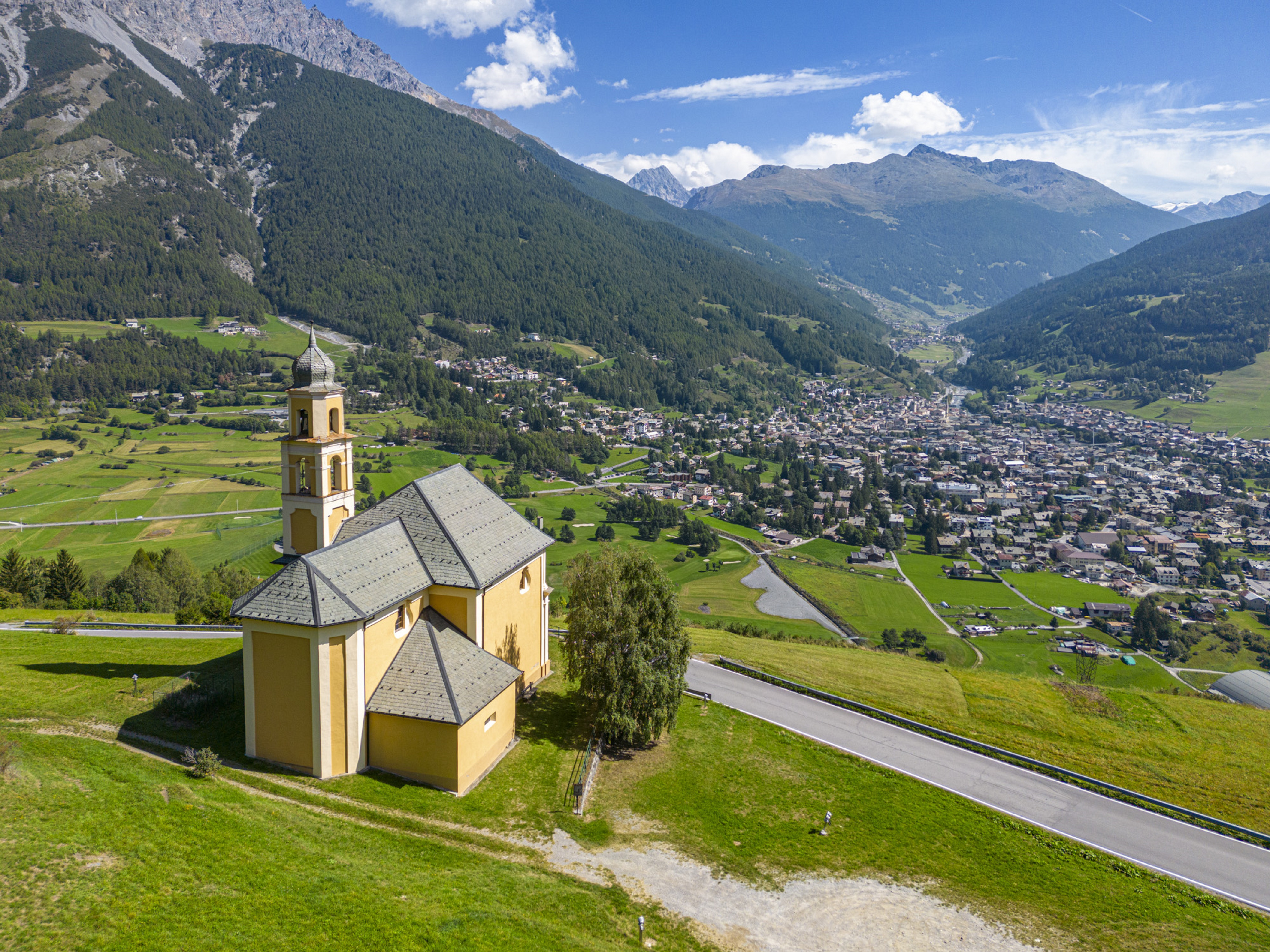
The Collegiate Church of Saints Gervasio and Protasio, in the very centre of Piazza del Kuerc / Cavour, is the starting point of the first stage of the Eastern Route; the route then continues towards the picturesque hamlet of Combo where, after passing the church of St Anthony the Abbot or of the Holy Cross, the path continues towards the church of Sassello or of Our Lady of Patience.
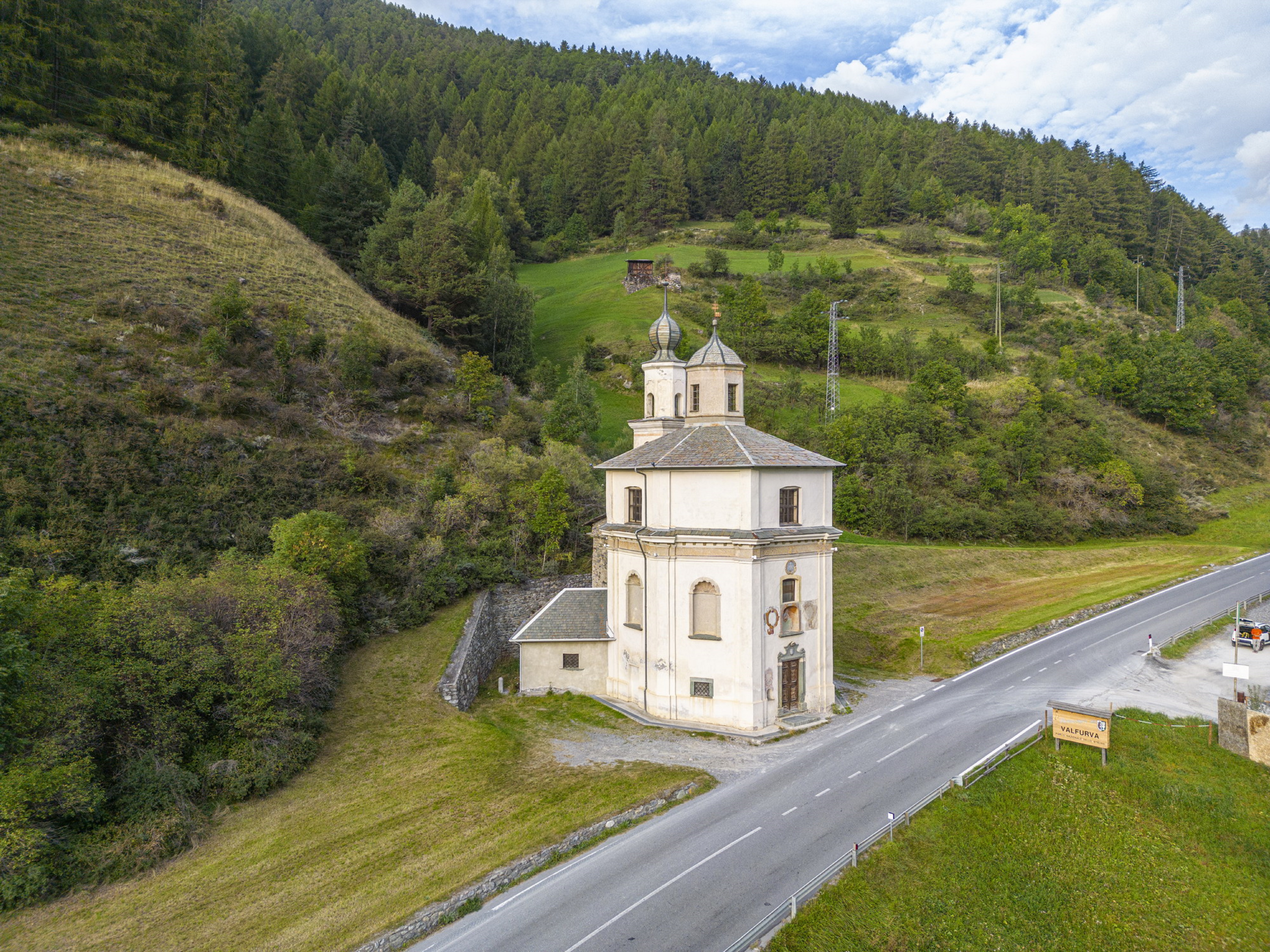
Continuing along the Sentiero Frodolfo, you then reach the green Valfurva, where you can admire two churches: the parish church of the Beata Vergine del Carmine, in the hamlet of Madonna dei Monti, and the church of the Madonna della Misericordia in Uzza.
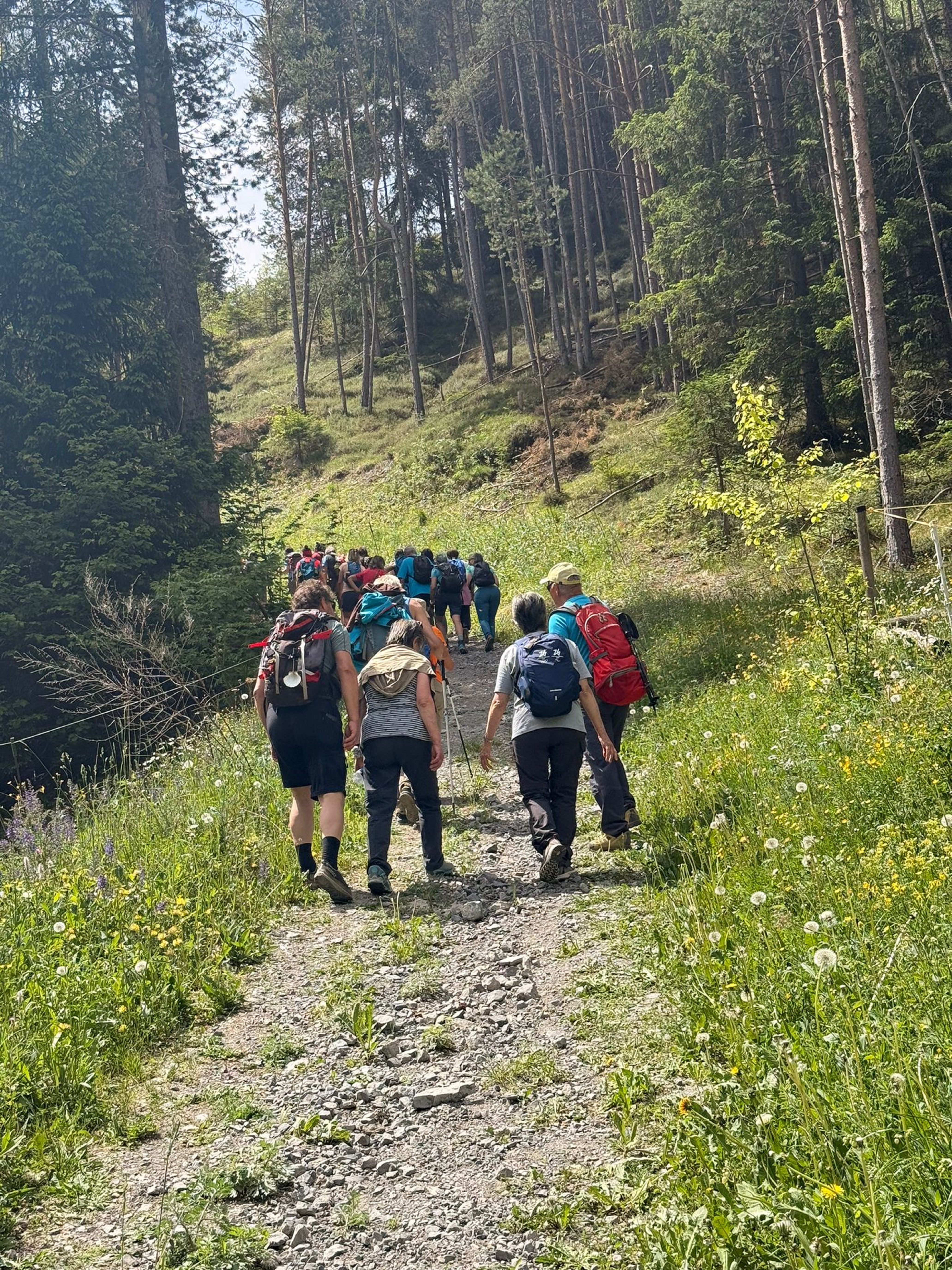
After returning to Bormio, the route continues towards Valdidentro, where, situated on the plain between Bormio and Premadio, stands the church of San Gallo. From here begins what is undoubtedly the steepest and most challenging section of the route, which climbs through the woods to the church of the Madonna di Caravaggio in the hamlet of Le Motte di Oga in the municipality of Valdisotto.
From Oga, the trail continues through the Valdisotto valley towards the small hamlet of Calosio, before descending to Cepina, where the first stage of the Way ends at the church of Santa Maria Assunta with the adjoining 18th-century ossuary.
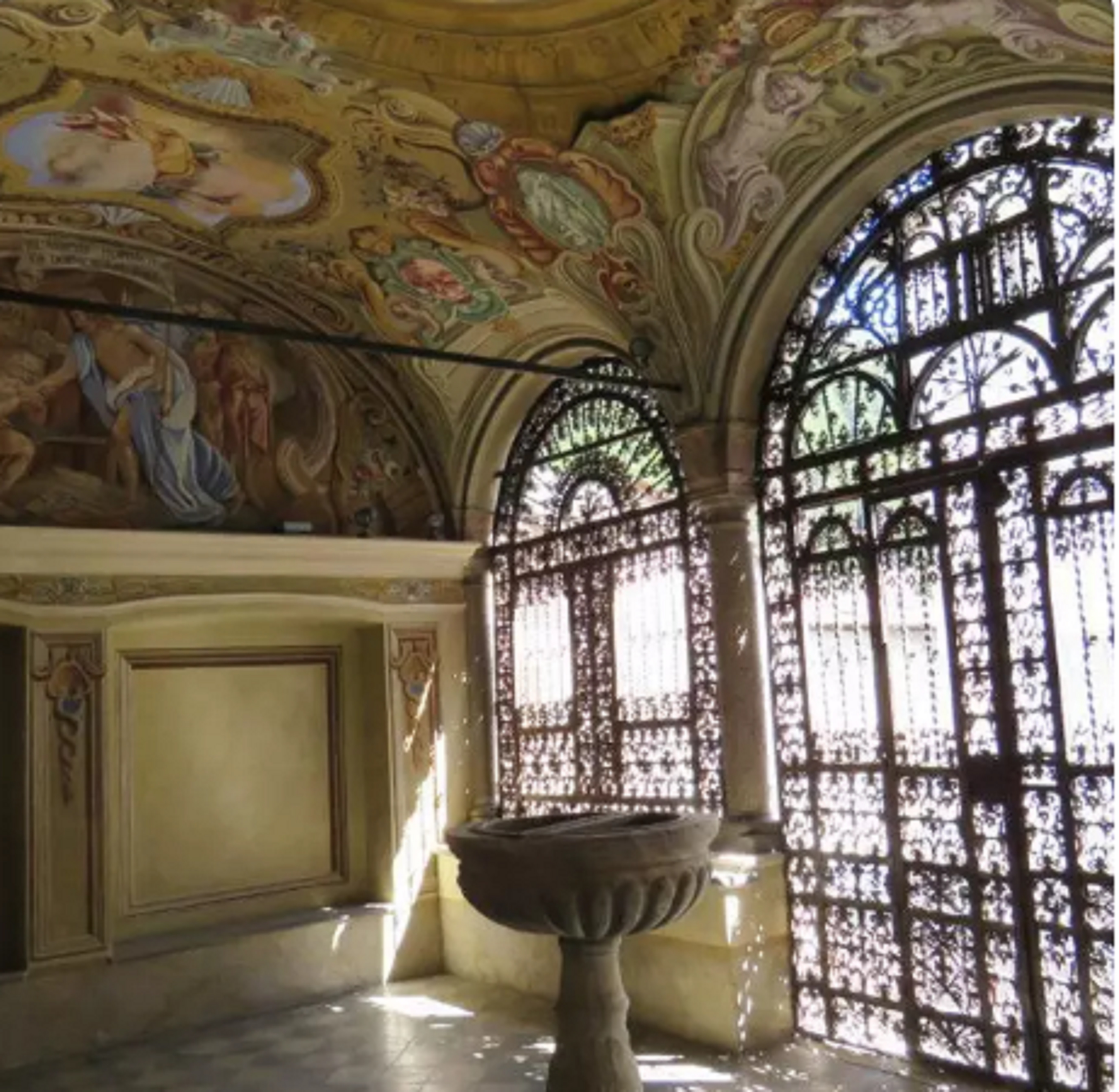
Unfortunately, some of these churches are only opened on special occasions (such as patron saint’s days) and may be closed when pilgrims arrive; to address this issue, special noticeboards have been installed outside each church, illustrating their history and describing their artistic treasures; in the case of the Collegiate Church of Saints Gervasius and Protasius in Bormio and the parish church of Santa Maria Assunta in Cepina, you can also find the stamp to affix to your Pilgrim’s Pass next to the noticeboard.
The Pilgrim's Credential and the Testimonium
As with any proper pilgrimage, before setting out on the ‘journey’ you can request the Pilgrim’s Credential, the ‘pilgrim’s passport’ which certifies the route; at the churches located at the beginning and at the end of each stage, you can receive a stamp to affix to your passport.
At the end of the route, in Tirano, the rector of the Sanctuary of the Madonna di Tirano will issue the Testimonium as proof of completion of the pilgrimage, upon presentation of the Pilgrim’s Passport.
For further information regarding the pilgrimage, to request the Pilgrim’s Pass, and to find out partnered hostels and hotels, we recommend visiting the official website of the Cammino mariano delle Alpi .
.
Also worth noting, although not directly on the Marian Way, are the churches of the Madonna della Pietà in Fior d’Alpe and of the SS. Trinità in Turripiano (both in Valdidentro), and the church of SS. Trinità di Teregua in the municipality of Valfurva, small gems of great artistic and spiritual value that house frescoes and statues bearing witness to the spread and importance of the cult of the Virgin Mary in Alta Valtellina.